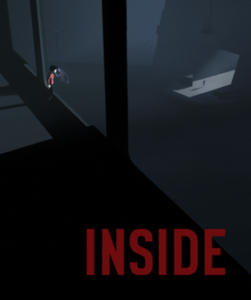
Introduction to Inside
‘Inside’ is an innovative puzzle-platformer video game developed by the Danish studio Playdead, released in 2016. This game is considered a spiritual successor to Playdead’s previous title, ‘Limbo’, which also garnered critical acclaim for its unique aesthetic and storytelling approach. ‘Inside’ continues in this vein, offering players a captivating experience that blends atmospheric visuals with minimalist storytelling.
At its core, ‘Inside’ presents players with an intricately designed world brimming with dark themes and a haunting atmosphere. The game utilizes a side-scrolling format, immersing players in a dystopian environment that is both engaging and foreboding. Without requiring extensive dialogue, it relies heavily on visual cues and environmental storytelling to convey its narrative. This approach has led to a heightened emphasis on exploration, challenging players to piece together the story as they progress.
One of the standout features of ‘Inside’ is its artistic presentation. The game is characterized by a distinct art style, featuring a muted color palette and carefully crafted backgrounds that create a cohesive and immersive world. The sound design further enhances this atmosphere, contributing to a sense of impending danger and urgency throughout the gameplay experience. These elements combined position ‘Inside’ as a significant milestone in the indie gaming arena, showcasing what can be achieved with creativity and innovation, even with modest resources.
The game’s unique mechanics, combined with its compelling narrative elements, not only enrich the gameplay but also foster deeper connections with the characters and the mysterious world they inhabit. As players delve into the game, they are invited to reflect on the themes of control, freedom, and the consequences of oppressive systems, making ‘Inside’ a thought-provoking experience that resonates long after the game has ended.
Atmospheric Storytelling Unraveled
The essence of atmospheric storytelling in Inside is presented through a meticulously crafted experience that transcends traditional narrative methods. This game utilizes a combination of sound design, visual aesthetics, and environmental cues to deliver an engaging emotional journey. The absence of spoken dialogue or explicit textual explanations enhances this method, compelling players to fully immerse themselves in its unsettling world.
The haunting soundscapes in Inside are among the game’s most striking features. Each sound, from the distant echo of machinery to the ominous whispers of the environment, is meticulously layered to evoke tension and dread. For instance, players often find themselves engulfed in a suspenseful atmosphere while navigating dark corridors, where the faint sounds of breathing or rustling create an unnerving sense of being watched. This clever use of audio pulls players deeper into the emotional resonance of the experience, heightening feelings of vulnerability.
Moreover, the visual style of Inside, characterized by its stark contrasts and shadowy environments, reinforces the overarching themes of isolation and despair. The muted color palette serves to accentuate moments of fear and anticipation, enhancing the player’s emotional response to the unfolding events. One remarkable moment occurs when players encounter a seemingly innocuous figure, only to be met with uneasiness as hidden dangers are progressively revealed through environmental storytelling.
Furthermore, the game’s design cleverly intertwines gameplay mechanics with narrative elements. Each environment is rich with clues about the world and its inhabitants, drawing players to piece together the story through exploration and interaction rather than direct instruction. As players delve deeper into Inside, they uncover a haunting narrative filled with intrigue and existential questions, leaving them with an unforgettable, atmospheric storytelling experience that lingers long after the screen fades to black.
The Dystopian World of Inside
The game Inside, developed by Playdead, immerses players in a stark, dystopian environment that serves as a powerful backdrop for its narrative. The setting is characterized by oppressive landscapes, haunting industrial complexes, and a pervasive atmosphere of despair, all of which contribute significantly to the overall storytelling. From the outset, players find themselves in a world devoid of color and life, where the architecture looms threateningly and hints at the might of an unseen authority.
The visual aesthetics of Inside are carefully curated to evoke feelings of unease and tension. Monochrome palettes dominate each scene, emphasizing a sense of hopelessness. The meticulous attention to detail in design choices, including the juxtaposition of shadow and light, further enhances the player’s understanding of the oppressive societal structures at play. Each environment feels like a character in its own right, reflecting themes of oppression and control, essential elements that resonate deeply throughout the game.
Moreover, the game subtly explores the concepts of surveillance and conformity, rendering players acutely aware of the constant presence of watchful eyes. Characters in the game often appear subservient, trapped within a system designed to enforce obedience. This comment on the dehumanizing effects of technology and authority offers not only a critique of contemporary society but also invites players to reflect on their own realities. As players navigate through the bleak corridors and abandoned landscapes, they are compelled to consider the broader implications of conformity and the loss of individuality.
Inside manages to create a hauntingly immersive experience, leveraging its dystopian setting to explore complex narratives around oppression and surveillance. Through powerful visual storytelling and impactful design choices, the game serves as a poignant reminder of the potential dangers of unchecked authority and societal control.
Gameplay Mechanics and Player Experience
The gameplay mechanics in Playdead’s Inside effectively merge puzzle-solving elements with platforming challenges, creating a unique and immersive experience for players. At its core, Inside utilizes a simple control scheme that encourages exploration and experimentation. This approach allows players to easily navigate the beautifully rendered, yet bleak, world the game presents. As players progress, they encounter varied puzzles that require a combination of logic, timing, and environmental interaction, elevating the engagement and depth of gameplay.
One of the most compelling aspects of Inside is how its gameplay mechanics resonate with the narrative. The puzzles are not merely obstacles; they are intrinsically linked to the story, enhancing the atmospheric tension throughout the game. For instance, players often find themselves manipulating objects and creatures within the environment to advance, thus deepening their emotional investment in the protagonist’s journey. This seamless integration of story and gameplay mechanics allows for a fluid experience that feels both rewarding and impactful.
The game’s difficulty level strikes a balance that appeals to a broad audience, ensuring challenges are present without veering into frustration. The gradual increase in complexity ensures that players feel a sense of achievement as they overcome each puzzle. Furthermore, the haunting soundtrack and visual storytelling augment the gameplay, further immersing players into the themes of control and resistance present in Inside.
Overall, the gameplay mechanics of Inside are not only engaging but also contribute significantly to the player experience. This creates an environment where puzzles serve to enhance both the narrative and the overall atmosphere of the game, ensuring that players remain captivated from beginning to end.
Character Development Through Context
The protagonist of Playdead’s Inside serves as a conduit for exploring profound societal themes through a meticulously crafted journey. As players navigate this haunting environment, they are guided to interpret the character’s actions and struggles not just as personal dilemmas but as reflections of broader issues present in contemporary society. The nuanced development of the protagonist evokes a deep sense of empathy, compelling players to engage with the emotional weight of their journey.
Throughout the game, players encounter an array of contexts that shape the protagonist’s actions, further enriching the gameplay experience. The juxtaposition of mundane and surreal elements presents a stark commentary on societal control, loss of individuality, and the instinct for survival. Each obstacle encountered within the game functions as a mirror, reflecting the character’s internal conflicts while simultaneously engaging players in a shared experience of vulnerability and determination. The intricate environments and visual storytelling reinforce this connection, allowing players to perceive the protagonist not merely as a character but as an embodiment of universal human struggles.
Moreover, the silent nature of the protagonist accentuates the importance of non-verbal communication in character development. Players are left to derive meaning and context from the character’s expressions and actions, effectively cultivating an empathetic bond between them and the protagonist. This emotional resonance drives player investment in the character’s fate, highlighting how effective character development can transcend dialogue and traditional storytelling methods.
As players witness the protagonist’s evolution through varied contexts, they are encouraged to reflect upon their perceptions of authority, conformity, and resistance. Thus, the interplay between character development and context in Inside serves not only to enhance gameplay but also to provoke critical thought regarding the societal constructs that shape human behavior.
Symbolism and Themes
Playdead’s Inside is a game that intricately weaves complex themes such as control, autonomy, and the human condition into its narrative and gameplay. Set in a dystopian world, the game prompts players to consider the extent to which individuals are manipulated by societal structures. The oppressive atmosphere reflects a theme of control, with visual and auditory cues working together to immerse players in a reality where personal freedoms are stifled.
One significant symbol within Inside is the presence of the Mind Control Devices, which serve as powerful representations of coercion. These devices illustrate how pervasive control can strip away one’s freedom, rendering characters mere puppets in a larger game orchestrated by faceless forces. Through this lens, the game invites players to explore how authority figures exert power over the individual, emphasizing the internal struggle for autonomy amidst external pressures.
Moreover, the absence of dialogue throughout Inside enriches its symbolism. The silence engenders a haunting atmosphere, encouraging players to rely on visual storytelling. Each element within the environment, from the desolate landscapes to the eerie interactions with other characters, embodies the human condition characterized by isolation and resignation. The protagonist’s journey through dark and foreboding settings reflects a search for meaning in a world riddled with existential dread.
Furthermore, the recurrent motif of water in the game symbolizes both danger and the promise of transformation. As the protagonist navigates treacherous underwater passages, players are reminded of the fluidity of existence and the potential for change—an essential aspect of the human experience. The interplay of these themes within Inside encourages players to engage with profound questions regarding their own autonomy in society.
Sound Design and Its Impact
The game ‘Inside’ by Playdead stands out not only for its visual style but also for its remarkable sound design, which plays a crucial role in immersing players within its dark, eerie world. The auditory landscape of ‘Inside’ is meticulously crafted to evoke emotion and accentuate the game’s themes. The minimalistic approach to sound creates an atmosphere thick with tension and intrigue.
Throughout the game, players are greeted with a variety of audio cues that contribute significantly to the overall experience. From the subtle rustle of grass as the protagonist moves to the distant echoes of machinery, every sound element serves a purpose. The minimal use of dialogue ensures that the players rely heavily on the audio to convey the narrative’s emotional weight. Sound effects such as the rhythmic thumping of footsteps or the sudden clang of a gate heighten feelings of suspense and anticipation.
Moreover, the musical score, which features haunting melodies combined with dissonant tones, enhances the feeling of unease. The music is often timed to coincide with pivotal moments in the gameplay, creating an emotional crescendo that amplifies the player’s reaction to the unfolding story. It creates a bond between the player and the protagonist, as the audio mirrors the internal struggles faced throughout the journey.
The integration of such nuanced sound design not only shapes the player’s emotional responses but also complements the stark visuals, creating a cohesive narrative experience. Consequently, sound design in ‘Inside’ proves to be an indispensable tool in storytelling, reinforcing themes of isolation, fear, and resilience. Without these expertly crafted audio elements, the game would lack its profound emotional impact, leaving players with a drastically different experience.
Critical Reception and Legacy
Since its release in 2016, Playdead’s ‘Inside’ has garnered widespread acclaim from both critics and gamers alike, positioning itself as a significant title within the landscape of indie gaming. The game received numerous honors, including multiple awards at prestigious events such as the Game Awards and BAFTA Game Awards. Its ability to create a haunting atmosphere combined with exquisite level design has earned ‘Inside’ a place in gaming history, often cited as one of the best video games of all time.
Critics lauded the game for its narrative depth, innovative gameplay mechanics, and striking visuals, all of which contribute to the game’s eerie, immersive experience. These aspects have had a profound impact on the development of subsequent indie titles, with many emerging developers drawing inspiration from ‘Inside’s’ minimalist storytelling and compelling environmental themes. Games like ‘Limbo’, which is also created by Playdead, and others in the indie genre have adopted similar approaches, emphasizing atmosphere and emotional engagement over complex narratives.
Moreover, ‘Inside’ solidified Playdead’s reputation as a pioneering force in indie gaming, establishing a benchmark for artistic excellence that continues to influence new projects. The interplay of gameplay and storytelling in ‘Inside’ also prompts discussions about the potential of video games as an art form. Its success exemplifies the growing acceptance of independent studios within the mainstream gaming industry, demonstrating that smaller developers can produce titles that resonate deeply with a broad audience.
Even years after its release, ‘Inside’ remains relevant, serving as a touchstone for quality and innovation in game design. Its legacy continues to inspire developers, encouraging them to explore narrative-driven experiences that provoke thought and emotion, while challenging the conventions of traditional gaming format.
Conclusion: Why Inside is a Must-Play
In an era where video games often survive on flashy graphics and superficial storylines, Playdead’s ‘Inside’ emerges as a profound artistic statement that transcends typical gaming experiences. This title goes beyond entertainment; it invites players to embark on an introspective journey rife with allegory, moral ambiguity, and existential inquiry. From the moment a player enters the haunting world of ‘Inside,’ they are enveloped in its meticulously crafted atmosphere, where every detail serves a purpose and enriches the narrative.
The game challenges players to examine themes of control, conformity, and societal ethics, prompting reflection on modern human behavior through its eerie environments and unnerving scenarios. Each level blends environmental storytelling with puzzle-solving mechanics, forcing players to engage with deeper issues while navigating the stark, monochromatic visuals. Such elements drive home the notion that ‘Inside’ is not merely a game; it is an exploration of the human condition presented through gameplay.
Moreover, the game’s ability to convey complex emotions without the use of dialogue underscores its mastery in storytelling, leaving a lasting impact long after the credits roll. This unique approach to narrative, combined with its innovative gameplay mechanics, positions ‘Inside’ as a landmark in gaming culture. Ultimately, experiencing ‘Inside’ is essential not only for understanding its themes but also for appreciating how video games can function as a medium for profound philosophical questions.
For those who have yet to engage with this masterpiece, it is highly recommended to step into the world of ‘Inside.’ It is a compelling exploration of darkness and light, encouraging players to confront unsettling truths about society and themselves. The journey through ‘Inside’ is one that promises to be both haunting and thought-provoking, solidifying its status as a must-play title in the gaming landscape.



Hi, this is a comment.
To get started with moderating, editing, and deleting comments, please visit the Comments screen in the dashboard.
Commenter avatars come from Gravatar.
Game
Vishnu veerasamy me_lee96
Vishnu veerasamy
Ankit